Terminals +info
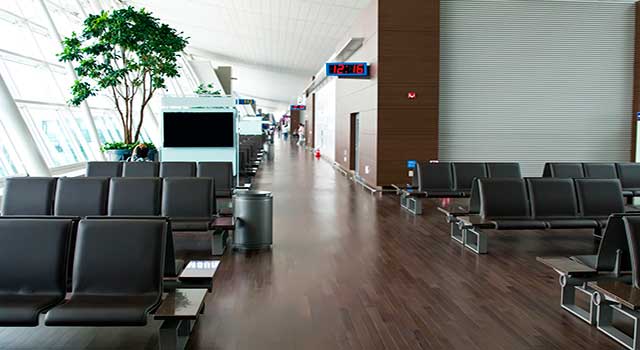
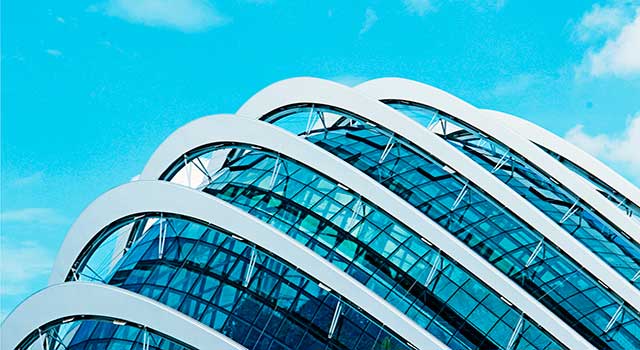
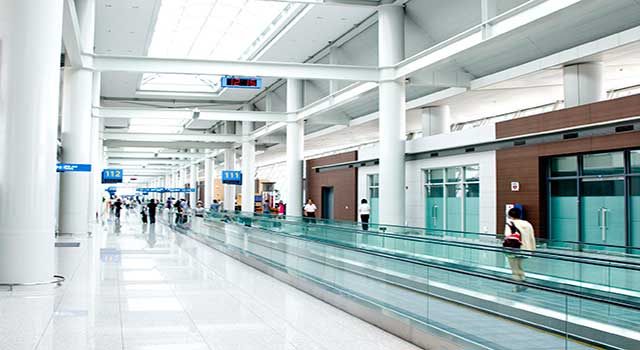
Incheon International Airport has two modern passenger terminals designed to handle large volumes of international traffic efficiently.
Terminal 1, opened in 2001, serves many global airlines and offers extensive shopping, dining, and passenger services.
Terminal 2, inaugurated in 2018, mainly hosts Korean Air and its SkyTeam partners, featuring advanced technology and spacious facilities. Both terminals are connected by free shuttle trains and buses, making transfers convenient for passengers traveling through one of Asia’s most advanced airports.
Reviews +info
On this website, you will find valuable tips and reviews about Incheon Airport, designed to help you navigate your travel experience smoothly. These reviews can help you understand what to expect in terms of service quality, cleanliness, and overall passenger experience.
-Our Review of Seoul Incheon Airport
-Pros and Cons of ICN Airport
-Mini-Guide of the Airport (2’ Guide)
-Other reviews
-Some Stats
Contact
Address:
272 Gonghang-ro, Jung-gu
Incheon, SOUTH KOREA
Phone:
+82 1577-2600
LOST & FOUND
Location:
Passenger Terminal Level B1, W
Contact:
+82 032-741-3110
Email:
find119@airport.kr
About Seoul
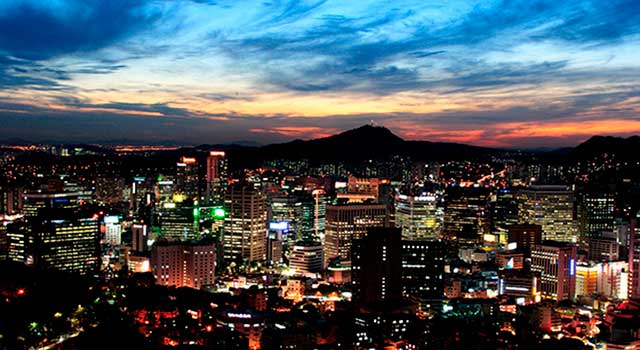
Seoul, the capital of South Korea, is a dynamic city where ancient traditions blend with modern innovation. With more than 2,000 years of history, the city offers a unique mix of historic palaces, vibrant shopping districts, cutting-edge technology, and scenic natural landscapes. Located about 48 km (30 miles) from Incheon International Airport, Seoul is one of Asia’s most exciting destinations and serves as the cultural, economic, and political heart of the country.
What to See in Seoul and the Surroundings
One of the most iconic attractions in Seoul is Gyeongbokgung Palace, the largest of the five grand palaces built during the Joseon Dynasty. Visitors can watch the traditional guard-changing ceremony and explore beautiful courtyards and historic halls. Nearby, the Bukchon Hanok Village offers a glimpse of traditional Korean architecture with narrow streets lined with preserved hanok houses.
Another must-see landmark is N Seoul Tower, located on Namsan Mountain. From the observation deck, visitors can enjoy panoramic views of the entire city. For shopping and nightlife, districts such as Myeongdong, Hongdae, and Gangnam offer countless restaurants, fashion stores, and entertainment venues.
Nature lovers can explore the Han River parks, which stretch across the city and are popular for cycling, picnics, and river cruises. Just outside the city, travelers can visit the Demilitarized Zone (DMZ), one of the most unique geopolitical sites in the world, located about an hour north of Seoul.
Public Transportation in the City
Seoul has one of the most efficient and modern public transportation systems in the world. The Seoul Metro is extensive, clean, and easy to use, connecting most parts of the city and surrounding areas. Signs and announcements are usually available in Korean and English.
Buses also cover areas that are not directly served by the metro. Taxis are widely available and relatively affordable compared to many major cities.
Travelers can purchase a T-money card, which can be used on subways, buses, taxis, and even in convenience stores.
Tourist Tips and Recommended Routes
A great itinerary for first-time visitors starts in Gyeongbokgung Palace, followed by a walk through Bukchon Hanok Village and a visit to Insadong, a neighborhood famous for traditional tea houses, art galleries, and souvenir shops.
Another popular route is exploring Myeongdong for shopping, then heading to N Seoul Tower in the evening to enjoy the city lights. Travelers interested in modern Seoul should also visit Gangnam, known for its upscale shopping streets and nightlife.
Events and Local Activities
Seoul hosts many cultural festivals and events throughout the year. In spring, the Yeouido Cherry Blossom Festival attracts thousands of visitors to see the city’s famous cherry trees in bloom. During autumn, the Seoul Lantern Festival illuminates the Cheonggyecheon Stream with hundreds of colorful lanterns.
Food lovers can enjoy traditional Korean cuisine in street markets such as Gwangjang Market, famous for dishes like bibimbap, kimchi, and Korean pancakes.
Throughout the year, visitors can also attend concerts, art exhibitions, and cultural performances that reflect Seoul’s lively creative scene.